How Engagement Tracking Algorithms Tailor Bonus Codes for Live Casino Sessions on Portable Devices
Written by Logan Lorenz · Nov 28, 2026
How Engagement Tracking Algorithms Tailor Bonus Codes for Live Casino Sessions on Portable Devices
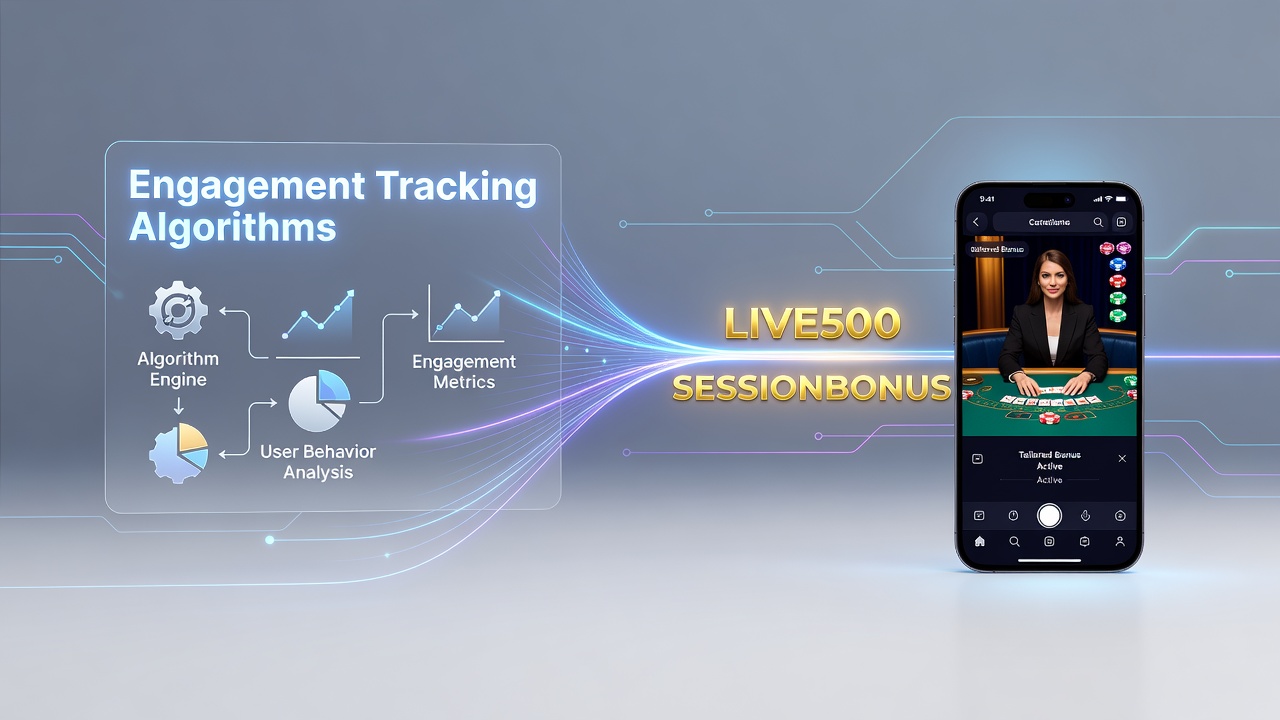
Engagement tracking algorithms analyze player interactions during live casino sessions on portable devices through continuous monitoring of session duration, bet frequency, game selection patterns, and response times to dealer prompts. These systems collect data points from smartphone and tablet applications where users access real-time video streams and interactive tables, then process the information to generate customized bonus codes that align with observed activity levels. Data from device sensors, including touch gestures and connection stability, feeds into models that identify preferences for specific live dealer formats such as blackjack or roulette.
Data Collection Mechanisms on Portable Platforms
Portable devices transmit metrics like average wager size per round, time spent in chat features with dealers, and navigation between different live tables directly to centralized servers operated by casino operators. Algorithms segment users based on these inputs while accounting for variables such as peak usage hours and device type, which influences how bonus codes appear in user notifications or in-app prompts. Research indicates that cross-referencing this data with historical session logs allows operators to adjust reward structures without manual intervention, as patterns emerge from aggregated player cohorts across multiple sessions.
Those who study mobile gaming interfaces note that location data from GPS and Wi-Fi signals further refines these models, though regulatory frameworks in various jurisdictions limit how such information gets stored or shared. For instance, figures from the Nevada Gaming Control Board reveal steady increases in mobile live dealer traffic through 2025, prompting refinements in tracking protocols that prioritize real-time adaptation over static reward distribution.
Algorithmic Processing and Code Generation
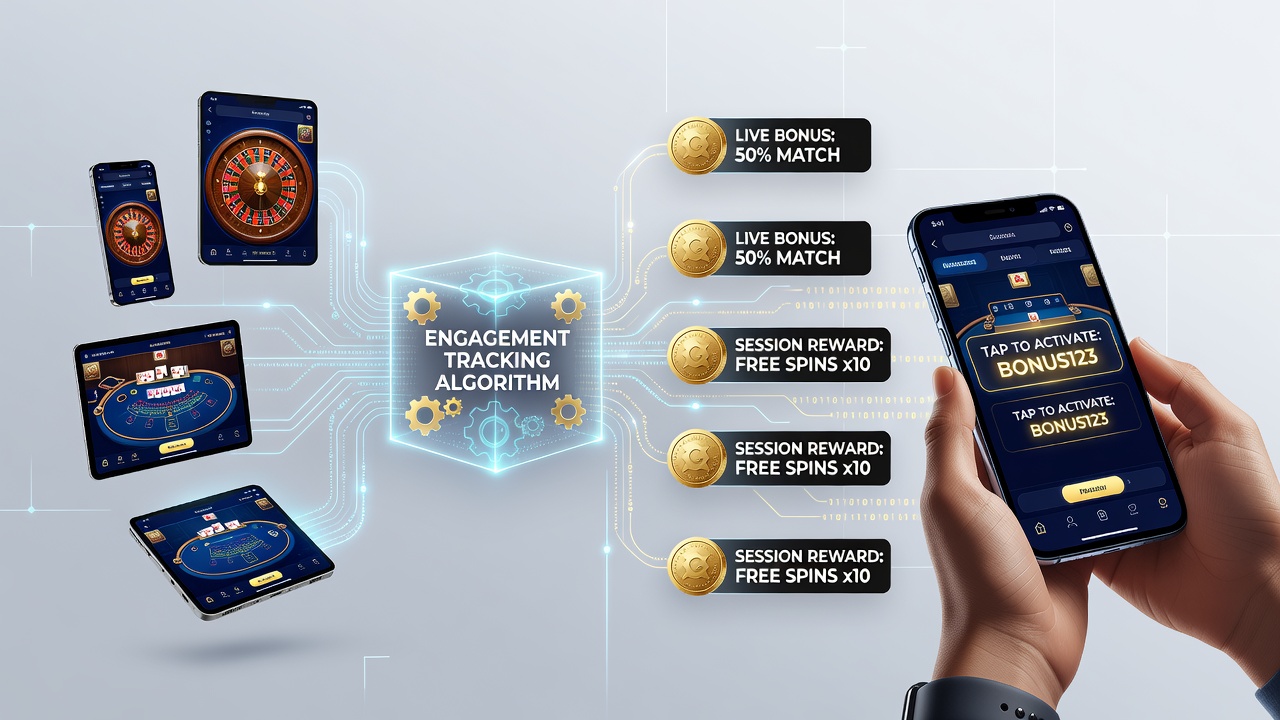
Once collected, engagement data flows through machine learning frameworks that apply clustering techniques to group players by interaction intensity, then map those clusters to predefined bonus code tiers. A player who maintains consistent participation in extended live sessions might receive codes unlocking additional betting credits during peak hours, whereas sporadic users encounter offers tied to shorter, targeted game entries. This process operates continuously, updating code eligibility as new data streams arrive from ongoing portable device sessions.
Turns out the integration of predictive elements allows algorithms to forecast future engagement based on recent trends, triggering preemptive bonus code delivery through push notifications. Observers note that such systems rely on feedback loops where redemption rates and subsequent activity levels train the models further, creating iterative improvements in personalization accuracy across diverse user bases.
Application in Live Dealer Environments
Live casino sessions on portable devices present unique challenges for these algorithms because real-time video feeds and interactive elements generate higher volumes of engagement signals compared to automated table games. Systems must differentiate between passive viewing and active participation, such as placing side bets or using in-game features, to calibrate bonus code values accordingly. Evidence suggests that operators deploy edge computing on user devices to reduce latency in data processing, ensuring bonus offers align closely with the pace of live dealer interactions.
One case where experts examined implementation involved platforms that adjusted code parameters mid-session when algorithms detected shifts in player focus, such as moving from high-stakes to casual tables. This adaptability maintains continuity in reward delivery while complying with technical constraints of mobile networks, and industry reports highlight similar approaches gaining traction in markets outside North America.
Regulatory and Technical Considerations
Jurisdictions enforce standards that require transparency in how engagement data informs bonus allocation, with bodies like the New Jersey Division of Gaming Enforcement mandating audits of algorithmic decision-making processes. These rules affect how codes get tailored for portable sessions, often requiring documentation of variables used in personalization to prevent unintended biases in reward distribution. Technical standards also address data encryption during transmission from devices to servers, preserving session integrity for live dealer formats.
What's interesting is the role of application programming interfaces that connect tracking systems with payment processors, enabling seamless integration of bonus codes into live play without disrupting video streams. According to analyses from the Australian Gambling Research Centre, such connections support compliance across borders while accommodating variations in mobile hardware capabilities.
Conclusion
Engagement tracking algorithms continue to evolve as portable device capabilities advance and live casino offerings expand, with data patterns driving increasingly precise bonus code customization. The interplay between real-time metrics and code generation supports sustained user activity across sessions, while regulatory oversight shapes implementation boundaries in different regions. Future developments will likely incorporate additional sensor inputs and refined models as operators respond to growing mobile traffic volumes.